
 Natalie N. Arnott
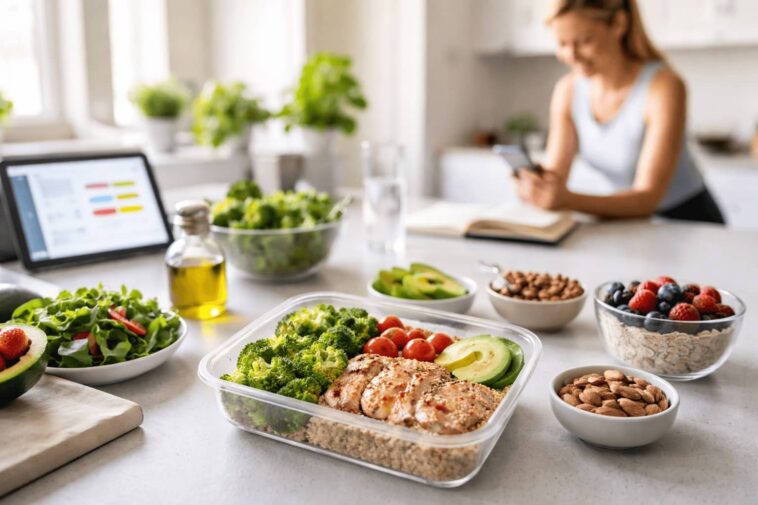
If you’re searching for a realistic approach to sustainable weight loss, you’ve probably realized that extreme diets and quick fixes rarely lead to lasting change. A sustainable weight loss meal plan isn’t about slashing calories to the bare minimum or cutting out entire food groups. It’s about building habits you can maintain for months and years—without feeling deprived.
In this guide, you’ll learn how to structure your meals, balance nutrients, avoid common mistakes, and create a flexible plan that supports steady fat loss while protecting your health and energy.
What Makes a Meal Plan “Sustainable”?
A sustainable weight loss meal plan works because it’s:
- Moderate in calories, not extreme
- Nutrient-dense, not just low-calorie
- Flexible, not rigid
- Enjoyable, not restrictive
Most people regain weight because their original plan wasn’t built for real life. If you can’t imagine following your eating pattern at a family barbecue, during the holidays, or on a busy workweek, it probably isn’t sustainable.
Instead of focusing on short-term speed, focus on consistency. Losing 0.5–1 pound per week may sound slow, but it’s far more likely to stay off.
How to Set the Right Calorie Target
Before building your sustainable weight loss meal plan, you need a realistic calorie target.
Step 1: Estimate Your Maintenance Calories
Your maintenance calories depend on:
- Age
- Weight
- Height
- Activity level
These numbers vary widely from person to person.
Step 2: Create a Moderate Deficit
Aim for a 300–500 calorie daily deficit. This typically leads to gradual fat loss without major hunger or metabolic slowdown.
Example:
- Maintenance: 2,200 calories
- Weight loss target: 1,700–1,900 calories
Avoid dropping too low unless supervised by a professional.
Building a Balanced Plate
A sustainable plan isn’t just about calories—it’s about composition.
Protein: Your Foundation
Protein helps:
- Preserve muscle
- Control hunger
- Improve recovery
- Stabilize blood sugar
Target:
- 0.7–1 gram per pound of goal body weight
Good sources:
- Chicken breast
- Greek yogurt
- Eggs
- Tofu
- Salmon
- Lean beef
- Protein smoothies
Carbohydrates: Choose Smart, Not Zero
Carbs aren’t the enemy. They fuel workouts, support hormones, and make meals satisfying.
Focus on:
- Oats
- Quinoa
- Brown rice
- Sweet potatoes
- Beans
- Fruit
Avoid heavily refined carbs most of the time—but leave room for flexibility.
Healthy Fats: Essential, Not Optional
Healthy fats support:
- Hormone function
- Brain health
- Nutrient absorption
Include:
- Avocado
- Olive oil
- Nuts and seeds
- Fatty fish
Just watch portions—fats are calorie-dense.
Sample 7-Day Sustainable Weight Loss Meal Plan
Here’s a practical example for someone targeting about 1,700–1,800 calories per day.
Day 1
- Breakfast: Greek yogurt, berries, chia seeds
- Lunch: Grilled chicken salad with olive oil vinaigrette
- Snack: Apple + almonds
- Dinner: Salmon, roasted sweet potatoes, broccoli
Day 2
- Breakfast: Oatmeal with protein powder and peanut butter
- Lunch: Turkey and avocado whole-grain wrap
- Snack: Cottage cheese + pineapple
- Dinner: Stir-fry with tofu, vegetables, and brown rice
Day 3
- Breakfast: Veggie omelet + whole-grain toast
- Lunch: Quinoa bowl with black beans and grilled veggies
- Snack: Protein smoothie
- Dinner: Lean steak, asparagus, baked potato
Rotate similar meals throughout the week. Consistency beats constant variety when it comes to sustainability.
How to Include Comfort Foods Without Sabotage
One of the biggest reasons people quit diets is restriction. If you love pasta, tacos, or mac and cheese, banning them usually backfires.
Instead:
- Use smaller portions
- Pair them with protein and vegetables
- Adjust the rest of the day accordingly
You can even modify classic dishes into lighter versions. For example, many forms of healthy comfort food use simple ingredient swaps to reduce calories without sacrificing satisfaction.
The goal isn’t perfection—it’s balance.
Grocery List for a Sustainable Plan
Here’s a simplified weekly grocery framework:
Proteins
- Chicken breast
- Ground turkey
- Eggs
- Greek yogurt
- Salmon
- Tofu
Carbs
- Oats
- Brown rice
- Whole-grain bread
- Sweet potatoes
- Fruit
Vegetables
- Spinach
- Broccoli
- Bell peppers
- Zucchini
- Carrots
Healthy Fats
- Olive oil
- Avocados
- Almonds
- Natural peanut butter
Shop mostly around the perimeter of the grocery store, where whole foods are located.
Meal Prep: The Secret to Consistency
Meal prep doesn’t mean eating the same thing every day.
It means:
- Cooking protein in bulk
- Pre-cutting vegetables
- Preparing grab-and-go snacks
- Planning 3–4 dinner options in advance
Even 60–90 minutes of preparation on Sunday can prevent impulse takeout during the week.
Common Mistakes to Avoid
1. Cutting Calories Too Aggressively
This often leads to:
- Intense cravings
- Energy crashes
- Muscle loss
- Rebound weight gain
2. Ignoring Protein
Low-protein diets increase hunger and reduce lean mass.
3. Overestimating Exercise Calories
Fitness trackers frequently overestimate calorie burn.
4. “All or Nothing” Thinking
One unplanned meal doesn’t ruin progress. Sustainable plans allow flexibility.
How to Evaluate Any Weight Loss Meal Plan
Use this quick checklist:
- Does it allow all food groups?
- Can you imagine following it for a year?
- Does it include adequate protein?
- Is the calorie deficit moderate?
- Does it fit your schedule and budget?
If the answer to most of these is “yes,” you’re on the right track.
Adapting Your Plan Over Time
Weight loss isn’t linear. Expect:
- Plateaus
- Fluctuations
- Occasional slow weeks
If progress stalls for 3–4 weeks:
- Reassess portion sizes
- Increase daily steps
- Add resistance training
- Slightly adjust calories (100–150 reduction)
Avoid drastic changes unless necessary.
The Role of Exercise in a Sustainable Plan
Exercise enhances fat loss but shouldn’t compensate for poor nutrition.
Focus on:
- 2–4 strength sessions per week
- Daily walking (7,000–10,000 steps)
- Optional cardio for heart health
Strength training preserves muscle, which keeps metabolism stronger during weight loss.
Mental Strategies for Long-Term Success
A sustainable weight loss meal plan is as much psychological as physical.
- Track progress beyond the scale (measurements, strength, energy).
- Plan for social events instead of avoiding them.
- Use the 80/20 approach: eat nutrient-dense foods 80% of the time, enjoy flexibility 20% of the time.
- Focus on habits, not deadlines.
Sustainable results come from repeatable behaviors—not temporary motivation.
Conclusion
A sustainable weight loss meal plan isn’t about speed or perfection. It’s about balance, structure, and consistency. By creating a moderate calorie deficit, prioritizing protein, keeping meals satisfying, and allowing room for flexibility, you build a system you can actually live with.
Instead of chasing rapid results, aim for steady progress. The habits you practice daily matter far more than any short-term diet trend. When your plan fits your life, the results tend to last.
FAQ
1. How long should I follow a sustainable weight loss meal plan?
You can follow it as long as needed. Because it’s balanced and moderate, many people use the same structure for months or even years with small adjustments.
2. Can I eat out while following this plan?
Yes. Focus on grilled proteins, vegetables, and reasonable portions. Balance higher-calorie meals with lighter options earlier or later in the day.
3. How much protein do I need?
Most people benefit from 0.7–1 gram per pound of goal body weight, especially during weight loss.
4. What if I hit a plateau?
Track intake carefully for a week, increase movement, and consider a small calorie adjustment if needed.
5. Is this meal plan suitable for everyone?
It works for most healthy adults, but individuals with medical conditions should consult a healthcare professional before making major dietary changes.