
 Natalie N. Arnott
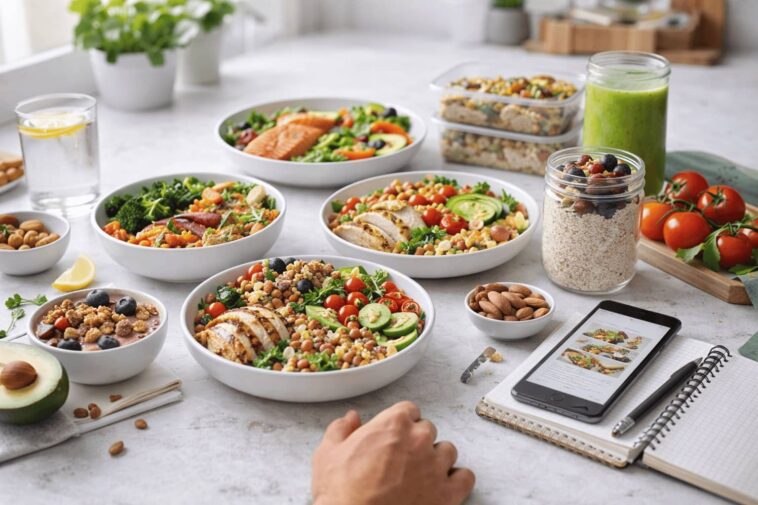
A healthy recipes roundup is one of the easiest ways to simplify eating well without falling into extremes. In the first week alone, most people discover at least a few new go-to meals—especially when the roundup includes smart, protein-forward options like these healthy recipes that work for busy mornings. Instead of chasing trends, a good roundup focuses on meals that are realistic, flexible, and enjoyable enough to repeat.
This guide pulls together practical ideas, planning tips, and common mistakes to avoid so you can build a personal collection of healthy recipes that actually fits your life.
What Makes a Healthy Recipes Roundup Truly Useful?
Not all recipe roundups are created equal. Some look good on screen but fall apart in real kitchens. A strong roundup should save time, reduce decision fatigue, and help you eat consistently better.
Key qualities to look for
A helpful roundup usually shares these traits:
- Simple ingredients you can find at a regular U.S. grocery store
- Balanced macros, not extreme restrictions
- Clear prep times and storage tips
- Repeatability, meaning the meals don’t feel like a chore after the second try
If a roundup checks these boxes, it’s far more likely to become part of your routine instead of another forgotten bookmark.
Breakfast Ideas That Set the Tone for the Day
Breakfast recipes often get overcomplicated. In reality, the best healthy breakfasts are quick, filling, and adaptable.
High-protein, low-stress options
Protein in the morning helps with satiety and steady energy. Solid choices include:
- Egg-based dishes with vegetables
- Greek yogurt bowls with fruit and seeds
- Simple protein smoothies with frozen berries
Make-ahead breakfasts for busy mornings
If mornings are rushed, batch-friendly recipes matter:
- Baked egg muffins stored for the week
- Overnight oats adjusted for sugar control
- Breakfast wraps frozen and reheated as needed
The goal isn’t perfection—it’s consistency.
Lunch Recipes That Travel Well
Lunch is where many healthy plans break down. A good healthy recipes roundup includes meals that reheat well or taste good cold.
Balanced bowls and salads
Lunch doesn’t have to mean sad salads. Look for combinations like:
- Lean protein + fiber-rich carbs + healthy fats
- Grain bowls with roasted vegetables
- Hearty salads with beans, chicken, or fish
Desk-friendly meals
If you eat at work, consider:
- Minimal odor recipes
- Meals that don’t require multiple reheats
- Sauces packed separately to avoid sogginess
These small details make a big difference in sticking with healthier lunches.
Dinner Recipes That Don’t Feel Like “Diet Food”
Dinner is where satisfaction matters most. A smart roundup includes dinners that feel indulgent but stay balanced.
Comfort-style healthy dinners
Look for lighter takes on familiar favorites:
- Baked versions instead of fried
- Creamy textures using yogurt or blended vegetables
- Bold seasoning to avoid bland results
One-pan and one-pot meals
Cleanup fatigue is real. One-pan dinners are popular for a reason:
- Sheet-pan chicken and vegetables
- One-pot chili or soups
- Skillet meals with minimal prep
When cleanup is easy, cooking at home becomes much more appealing.
Snack Recipes That Actually Keep You Full
Snacks shouldn’t spike hunger an hour later. A useful healthy recipes roundup includes snacks with staying power.
Smart snack components
The most satisfying snacks usually include at least two of these:
- Protein
- Fiber
- Healthy fat
Examples include:
- Cottage cheese with fruit
- Roasted chickpeas
- Nut butter with apple slices
Avoiding common snack traps
Be cautious of:
- “Low-calorie” snacks with no protein
- Portionless grazing
- Liquid snacks that don’t satisfy
A good roundup helps you snack with intention, not guilt.
How to Use a Healthy Recipes Roundup for Weekly Planning
A roundup is most powerful when paired with light planning. You don’t need a rigid schedule—just a loose structure.
The mix-and-match method
Choose:
- 2 breakfast options
- 2–3 lunches
- 3–4 dinners
Rotate them through the week instead of cooking something new every day.
Pairing recipes with calorie awareness
If weight management is part of your goal, aligning recipes with structured approaches like calorie meal plans can make planning easier without feeling restrictive. Recipes then become tools, not rules.
Common Mistakes When Following Recipe Roundups
Even great recipes can fall flat if expectations are off.
Trying to cook everything at once
A roundup is a menu, not a mandate. Pick what fits your week.
Ignoring portion sizes
Healthy ingredients still count. Balanced portions matter more than perfect macros.
Chasing novelty over habits
New recipes are fun, but repeating a few reliable meals builds lasting results.
How to Build Your Own Healthy Recipes Roundup
Over time, the best roundup is the one you create yourself.
Start with favorites
Save recipes you’ve already cooked and enjoyed. Those are your foundation.
Add seasonal variety
Rotate ingredients based on:
- Weather
- Produce availability
- Schedule changes
Keep notes
A quick note like “great cold” or “needs extra seasoning” makes future planning easier.
Quick Evaluation Checklist for Any Recipe
Before adding a recipe to your roundup, ask:
- Can I make this with ingredients I already buy?
- Does it include protein and fiber?
- Will I realistically cook this again?
- Does it fit my schedule, not just my goals?
If the answer is yes to most of these, it’s a keeper.
Conclusion
A thoughtful healthy recipes roundup isn’t about eating perfectly—it’s about eating consistently better. When recipes are practical, satisfying, and flexible, healthy eating becomes a habit instead of a project. Start small, repeat what works, and let your roundup evolve with your lifestyle.
FAQ: Healthy Recipes Roundup
What is the purpose of a healthy recipes roundup?
It collects reliable, balanced meals in one place so you can plan and cook without constant decision-making.
How many recipes should be in a roundup?
Quality matters more than quantity. Even 10–15 solid recipes can cover most weeks.
Are healthy recipes suitable for families?
Yes. Many balanced recipes can be easily adjusted for kids or larger portions.
Can I use a roundup for weight loss?
Absolutely—especially when portion sizes and overall intake are considered.
How often should I update my recipe list?
Seasonally is a good rule, or whenever your schedule or goals change.