
 Natalie N. Arnott
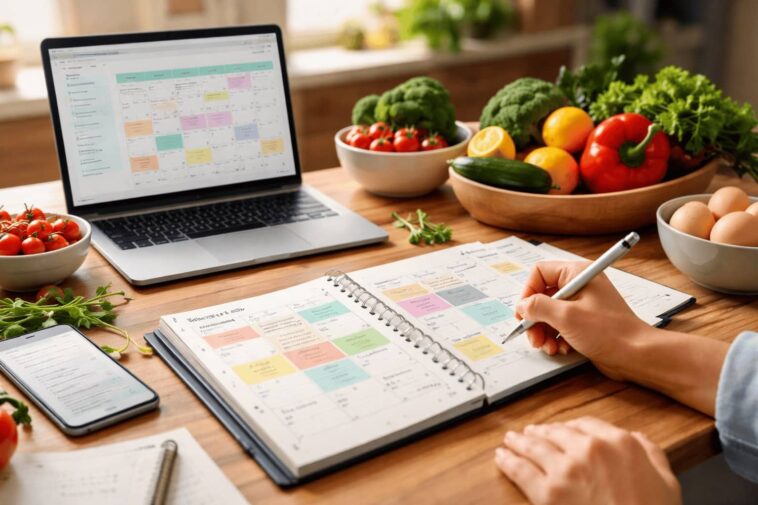
If you’ve ever searched for a monthly meal plan because weekly planning felt endless or chaotic, you’re not alone. Monthly meal planning ideas are popular for a reason: they reduce decision fatigue, save money, and make healthy eating more consistent over time. When you pair those ideas with a simple, flexible system, planning an entire month of meals becomes surprisingly manageable—even with a busy schedule.
This guide walks you through a realistic, step-by-step approach to monthly meal planning that works for real life in the U.S., from setting up your framework to avoiding the most common mistakes.
Why Monthly Meal Planning Works Better Than Weekly Planning
Weekly planning sounds practical, but it often creates a constant loop of stress: plan, shop, cook, repeat—every seven days. Monthly planning shifts that effort upfront so the rest of the month runs on autopilot.
Here’s what makes monthly meal planning ideas so effective:
- Fewer decisions: You plan once and reuse meals strategically.
- Lower grocery bills: Bulk buying and fewer impulse trips add up.
- More consistency: Repetition builds habits, especially for families.
- Better nutrition: You see patterns across weeks, not just days.
Most people don’t fail at meal planning because they lack discipline—they fail because the system is too complicated. Simplicity is the secret ingredient.
The Simple Meal Planning System (That Actually Works)
A good system doesn’t require color-coded spreadsheets or cooking everything from scratch. It relies on structure plus flexibility.
Step 1: Choose Your Meal Categories
Instead of planning 30 different dinners, start with categories. This creates variety without overwhelm.
Common monthly dinner categories include:
- Pasta or grain bowls
- Chicken-based meals
- Meatless dinners
- Sheet-pan or slow cooker meals
- Leftovers or “easy nights”
Each category becomes a slot you’ll reuse every week.
Step 2: Create a 4-Week Rotation
A four-week rotation is the backbone of smart monthly meal planning ideas. You choose 7–10 dinners and repeat them weekly, with small swaps if needed.
For example:
- Week 1–4 dinners repeat every Monday–Friday
- Weekends stay flexible for dining out or leftovers
This approach is especially helpful if you already use a rotating monthly meal plan, since it removes the pressure to reinvent meals constantly.
Step 3: Lock in Breakfasts and Lunches
Dinner gets all the attention, but breakfast and lunch are where consistency really pays off.
Try:
- 2–3 breakfast options you rotate all month
- 3–4 lunches (salads, leftovers, wraps, bowls)
Repetition here saves time and reduces food waste.
How to Build a Monthly Grocery Strategy
Monthly meal planning ideas only work if your grocery habits support them.
Monthly vs Weekly Shopping
You don’t need one giant shopping trip. Instead:
- Do one large monthly haul for pantry, freezer, and staples
- Add weekly produce runs for fresh items
This keeps food fresh while still benefiting from bulk buying.
Keep a “Master Staples List”
Your master list should include:
- Grains (rice, pasta, quinoa)
- Proteins (frozen chicken, beans, fish)
- Sauces and seasonings
- Frozen vegetables
Once this list is set, shopping becomes almost automatic.
Making Monthly Meal Planning Flexible (Not Rigid)
One of the biggest fears around monthly planning is boredom. The fix isn’t more meals—it’s smart variation.
Use Flavor Swaps Instead of New Recipes
Instead of changing the entire meal, change:
- Sauces
- Spices
- Cooking methods
Chicken can be Mexican one week and Mediterranean the next without extra effort.
Plan for “Off Days”
Life happens. Build in:
- One freezer meal per week
- One leftovers night
- One takeout or convenience meal
This keeps your plan realistic instead of fragile.
Monthly Meal Planning for Weight Goals
If your goal includes managing calories or improving nutrition, monthly planning gives you a big-picture advantage. You can balance heavier meals with lighter ones across weeks instead of stressing daily.
Monthly meal planning ideas support:
- Portion awareness
- Protein distribution
- Consistent calorie ranges
This is especially helpful when focusing on long term weight loss, because habits matter more than perfect days. Seeing a full month helps you spot patterns that either support or sabotage progress.
Common Monthly Meal Planning Mistakes to Avoid
Even good systems can fail if you fall into these traps.
Overplanning Every Meal
You don’t need to plan snacks, desserts, and every single lunch. Focus on:
- Dinners
- A few repeat breakfasts and lunches
Leave space for flexibility.
Choosing Only “Healthy” Meals You Don’t Enjoy
If the food isn’t satisfying, the plan won’t last. Monthly meal planning ideas should include comfort foods you genuinely like.
Ignoring Your Schedule
Busy weeks need simpler meals. Look at your calendar before assigning recipes.
A Sample Monthly Meal Planning Framework
Here’s a realistic example for a household planning dinners:
Weekly Dinner Rotation
- Monday: Chicken + vegetable
- Tuesday: Pasta or grain bowl
- Wednesday: Meatless meal
- Thursday: Sheet-pan or slow cooker
- Friday: Leftovers or easy meal
Repeat this structure for four weeks, rotating flavors and proteins.
Breakfast
- Option A: Eggs + toast
- Option B: Yogurt + fruit
- Option C: Oatmeal
Lunch
- Leftovers
- Big batch salad
- Wraps or bowls
This framework alone covers most of your month with minimal stress.
Tools That Make Monthly Planning Easier
You don’t need fancy apps, but a few tools help:
- Notes app or printable calendar
- Simple grocery checklist
- Freezer labels and containers
The goal is clarity, not complexity.
Conclusion: Monthly Meal Planning Is About Systems, Not Perfection
The best monthly meal planning ideas aren’t about cooking more—they’re about thinking less. When you build a simple meal planning system, you trade daily decision-making for steady routines that actually fit real life.
Start small. Plan dinners first. Repeat what works. Over time, monthly planning becomes a background habit rather than a weekly chore—and that’s where the real benefits show up.
FAQ: Monthly Meal Planning Ideas
How many meals should I plan for a month?
Focus on dinners and repeat breakfasts and lunches. You don’t need to plan every snack or weekend meal.
Is monthly meal planning good for families?
Yes. Kids benefit from predictability, and parents save time and money with fewer last-minute decisions.
What if I get bored eating the same meals?
Use flavor swaps, sauces, and sides to keep meals interesting without changing the core plan.
Do I need to cook everything from scratch?
No. Store-bought sauces, frozen foods, and simple meals are part of a sustainable system.
Can monthly meal planning work for weight loss?
Absolutely. Seeing a full month helps balance meals and supports consistency without extreme restriction.