
 Natalie N. Arnott
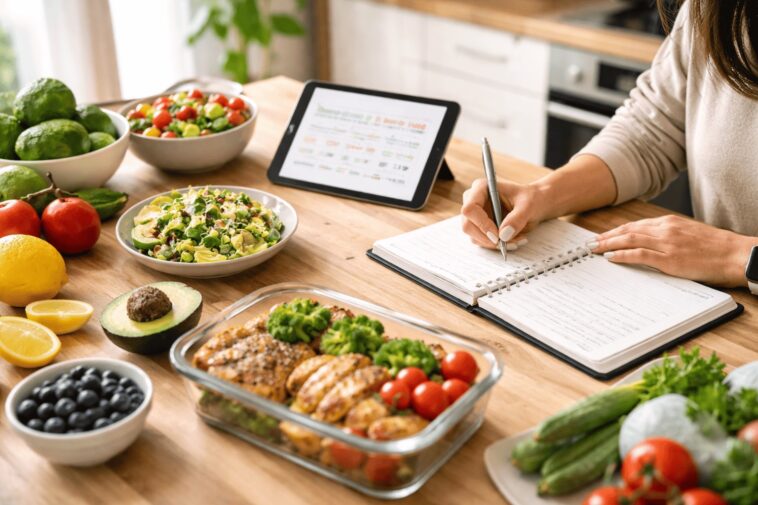
Building strong healthy eating habits starts long before you step into the kitchen. Instead, it begins with structure, intention, and realistic routines that support your everyday life. Healthy meal planning habits are not about rigid diets or color-coded spreadsheets. Rather, they focus on creating simple systems that reduce stress, prevent impulsive choices, and make nourishing food the default option.
Between work, family responsibilities, and social commitments, meals can easily become an afterthought. As a result, many people rely on last-minute decisions that don’t always support their health goals. That’s exactly why thoughtful planning matters. When done right, it not only saves time but also protects your budget and supports long-term health without feeling restrictive.
In the sections below, you’ll learn how to build healthy meal planning habits that are realistic, flexible, and sustainable.
Why Healthy Meal Planning Habits Matter
Healthy meal planning habits do more than organize your week. In fact, they shape your environment in ways that influence daily decisions.
When meals are planned in advance:
- You’re less likely to skip meals and overeat later.
- Grocery spending becomes more predictable.
- Food waste decreases significantly.
- Nutrient intake becomes more balanced overall.
Additionally, planning reduces decision fatigue. After a long day, your willpower is limited. Therefore, if dinner is already decided—or even partially prepared—you remove the mental negotiation that often leads to less nourishing choices.
Most importantly, planning builds consistency. And over time, consistency—not perfection—is what drives lasting results.
The Core Principles of Healthy Meal Planning
Before diving into recipes or grocery lists, it’s important to understand the principles behind sustainable healthy meal planning habits.
1. Simplicity Over Complexity
First and foremost, you do not need a completely different recipe for every single meal. On the contrary, too much variety can make planning overwhelming and time-consuming.
A practical structure might include:
- 2–3 breakfast options
- 2–3 lunch options
- 3–4 dinner meals
- A few reliable snack staples
By repeating meals during the week, you reduce decision-making and simplify grocery shopping. At the same time, you still maintain enough variety to avoid boredom.
2. Balanced Plate Structure
Instead of counting every calorie, focus on building balanced meals. For example, aim to include:
- Lean protein (chicken, tofu, fish, Greek yogurt)
- Fiber-rich carbohydrates (quinoa, brown rice, fruit, beans)
- Healthy fats (avocado, olive oil, nuts)
- Vegetables (ideally filling at least half your plate)
This approach supports energy levels and satiety. Moreover, it helps regulate blood sugar and reduces late-night cravings.
3. Flexibility Is Non-Negotiable
Although structure is helpful, flexibility is essential. Life happens. Meetings run late. Social plans appear unexpectedly.
For that reason, healthy meal planning habits should include buffer meals—such as frozen leftovers, simple stir-fries, or quick protein-and-salad combinations. In other words, planning should support your life, not control it.
Step-by-Step: How to Build Healthy Meal Planning Habits
If you’re starting from scratch, avoid overhauling everything at once. Instead, build the habit gradually.
Step 1: Audit Your Current Routine
Begin by asking yourself:
- Which meals do I often skip?
- When do I rely on convenience food or takeout?
- What times of day feel most chaotic?
By identifying patterns, you can target the areas where planning will have the biggest impact.
Step 2: Choose a Planning Day
Consistency strengthens habits. Therefore, select one day each week and dedicate 20–30 minutes to:
- Outline meals for the upcoming week
- Check what ingredients you already have
- Create a focused grocery list
Treat this as a non-negotiable appointment. Over time, it becomes automatic.
Step 3: Create a Master Meal List
Rather than reinventing meals every week, build a rotating list of 15–20 go-to dishes your household enjoys. For example, categorize them as:
- Quick (under 20 minutes)
- Slow cooker
- Sheet pan
- High-protein
- Family favorites
As a result, planning becomes faster and far less stressful.
Step 4: Prep Strategically
Meal prep does not require cooking every meal in advance. Instead, focus on high-impact actions, such as:
- Washing and chopping vegetables
- Cooking a batch of rice or quinoa
- Preparing several portions of protein
- Pre-portioning snacks
Even small preparation steps make weekday cooking significantly easier.
Weekly vs. Monthly Planning: What Works Best?
Some people prefer detailed weekly planning. Others feel more comfortable with a broader monthly framework. Ultimately, the right approach depends on your schedule and personality.
A weekly plan allows more flexibility and seasonal adjustments. Meanwhile, a monthly plan can reduce decision fatigue even further if your routine is stable.
If you’re unsure which method suits you, reviewing a detailed meal planning FAQ can help you compare planning styles and choose one that aligns with your lifestyle.
Above all, the key is repeatability. A simple system you actually follow is far more effective than a perfect one you abandon.
Grocery Shopping Strategies That Support Your Plan
Even the best meal plan can fall apart without a clear grocery strategy. Therefore, aligning your shopping habits with your plan is essential.
Shop With a Structured List
Organize your list by category:
- Produce
- Protein
- Pantry staples
- Dairy or alternatives
- Frozen items
This approach not only speeds up shopping but also reduces impulse purchases.
Follow the 80/20 Approach
Ideally, most of your cart should contain whole, minimally processed foods. However, that doesn’t mean avoiding convenience altogether.
You can still include:
- Pre-cut vegetables
- Rotisserie chicken
- Frozen fruit
- Canned beans
In fact, these items often make healthy eating more realistic, especially on busy days.
Avoid Shopping While Hungry
Although it sounds obvious, shopping while hungry increases impulse buying. Consequently, you’re more likely to deviate from your plan.
Common Pitfalls (And How to Avoid Them)
Even with good intentions, healthy meal planning habits can derail. Fortunately, most mistakes are easy to correct.
Planning Unrealistic Recipes
If you know you won’t cook a complicated meal on a busy weekday, don’t schedule one. Instead, match meals to your actual energy levels.
Ignoring Preferences
If certain foods consistently go uneaten, adjust your plan. After all, sustainability depends on enjoyment.
Over-Restricting
Extremely rigid meal plans often backfire. While structure is helpful, leaving room for social meals or occasional treats supports long-term success.
Skipping Protein Earlier in the Day
When breakfast and lunch lack protein, evening hunger tends to spike. Therefore, prioritize protein earlier to stabilize appetite throughout the day.
How Healthy Meal Planning Habits Support Weight Goals
Whether your goal is weight loss, maintenance, or muscle gain, planning simplifies progress.
For weight loss, it:
- Improves portion awareness
- Reduces impulsive high-calorie choices
- Increases nutrient density
For muscle gain, it:
- Ensures consistent protein intake
- Allows strategic meal timing
For maintenance, it:
- Supports stable energy levels
- Reduces binge-restrict cycles
In each case, removing guesswork improves consistency. And consistency drives results.
A Simple Weekly Template You Can Use
If you prefer structure, try a straightforward framework like this:
Breakfast Options
- Greek yogurt + berries + nuts
- Eggs + whole-grain toast + vegetables
- Protein smoothie + fruit
Lunch Options
- Chicken or tofu salad bowl
- Wrap with lean protein and vegetables
- Leftovers from dinner
Dinner Rotation
- Sheet pan fish + roasted vegetables
- Taco-style bowls with beans and lean protein
- Stir-fry with rice or noodles
- Slow cooker stew or chili
Snacks
- Fruit + nut butter
- Cottage cheese
- Yogurt
- Hummus + vegetables
By repeating meals within the week, you simplify execution and reduce food waste.
Healthy Meal Planning for Busy Schedules
If your days are packed, efficiency becomes the priority.
For example:
- Keep a few emergency freezer meals available.
- Prepare mix-and-match components (protein + grain + vegetables).
- Double recipes and freeze leftovers.
- Use grocery pickup when time is limited.
These strategies ensure your plan supports your schedule instead of competing with it.
FAQ: Healthy Meal Planning Habits
How long does it take to build healthy meal planning habits?
Typically, it takes about 4–6 weeks of consistent practice before planning feels automatic. However, progress varies depending on your starting point.
Do I need to meal prep every week?
Not necessarily. Some people prefer smaller prep sessions twice a week. What matters most is consistency.
Is meal planning expensive?
On the contrary, it often reduces overall food costs because it limits impulse purchases and food waste.
What if I get bored eating the same meals?
In that case, rotate recipes every few weeks, experiment with new seasonings, or change cooking methods to add variety.
Can I meal plan without tracking calories?
Yes. By focusing on balanced plates and consistent meal timing, many people achieve their goals without detailed tracking.
Conclusion
Healthy meal planning habits are not about perfection. Instead, they’re about creating systems that make nourishing choices easier and more automatic. When you simplify decisions, align your grocery shopping with your goals, and build flexibility into your routine, healthy eating becomes sustainable.
Start small. Choose one planning day. Outline a few meals. Prep one key ingredient in advance. Over time, these small, consistent actions create lasting change.