 Natalie N. Arnott
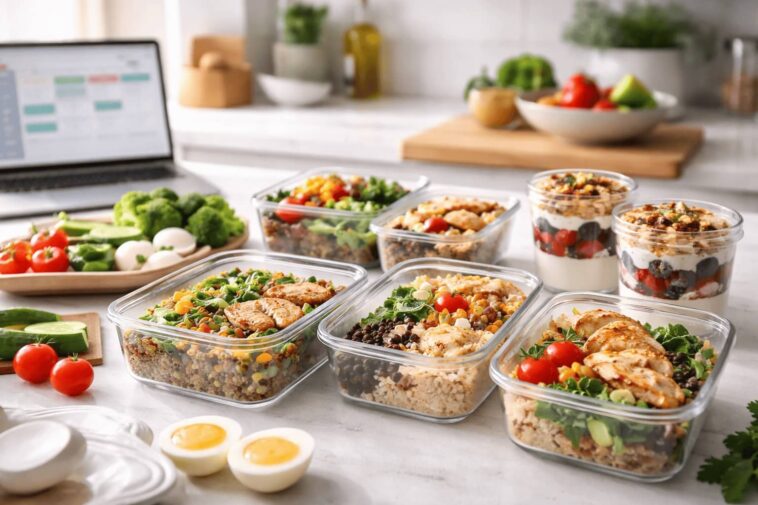
If you’re looking for practical meal prep friendly recipes that actually hold up in the fridge and taste great days later, start with a smart plan. These tried-and-true meal prep recipes make it easier to cook once and eat well all week—without getting bored or relying on takeout.
Instead of defaulting to plain chicken and rice, focus on meals that stay flavorful, reheat evenly, and fit your nutrition goals. With the right structure in place, meal prepping becomes less of a chore and more of a weekly reset. As a result, you save time, reduce food waste, and make healthier choices almost automatically.
What Makes a Recipe Meal Prep Friendly?
Not every dish works well for storage. In fact, some meals lose texture and flavor within a day. The best meal prep friendly recipes, however, share a few important qualities:
- Stable texture (no soggy greens or mushy pasta)
- Balanced macronutrients (protein, fiber, healthy fats)
- Simple reheating
- Freezer compatibility
- Ingredient overlap (to reduce waste and cost)
Before adding a recipe to your weekly rotation, ask yourself a few practical questions. Will this still taste good on day three? Can it be stored safely in airtight containers? Does it use ingredients that can stretch into other meals? By thinking ahead, you prevent frustration later.
High-Protein Breakfasts That Keep You Full
A strong start sets the tone for the rest of the day. Therefore, prioritizing protein in the morning can help control hunger and reduce mid-morning snacking.
1. Egg & Veggie Breakfast Muffins
Whisk eggs with chopped spinach, bell peppers, onions, and turkey sausage, then pour the mixture into a muffin tin and bake. Once cooled, store them in the fridge for up to four days.
Because they’re portable and freezer-friendly, these muffins are ideal for busy mornings.
2. Greek Yogurt Protein Parfaits
Layer Greek yogurt with berries and a small portion of granola. However, keep the granola separate until serving to avoid sogginess.
As a bonus, you can prepare several jars at once, which makes weekday mornings almost effortless.
3. Overnight Oats with Chia Seeds
Combine oats, almond milk, chia seeds, and protein powder in individual jars. After refrigerating overnight, the mixture thickens into a creamy, satisfying breakfast.
Flavor combinations to try:
- Peanut butter + banana
- Blueberry + lemon zest
- Apple + cinnamon
Not only are these easy to customize, but they also travel well.
Balanced Lunch Bowls That Reheat Well
Grain bowls remain one of the most reliable meal prep friendly recipes because they’re flexible and sturdy. Additionally, their components can be mixed and matched throughout the week.
4. Chicken Burrito Bowls
Start with brown rice, add grilled chicken breast, and include black beans, corn, and salsa. For best texture, add shredded lettuce just before eating.
By layering ingredients carefully, you prevent excess moisture from soaking the rice.
5. Mediterranean Quinoa Bowls
Use quinoa as the base, then add baked chicken or chickpeas. Top with cucumber, cherry tomatoes, olives, feta, and a simple olive oil–lemon dressing.
Since dressings can soften vegetables, store them separately and mix right before serving.
6. Teriyaki Salmon with Rice & Broccoli
Bake salmon fillets with a light teriyaki glaze and pair them with jasmine rice and steamed broccoli.
Because seafood is more delicate, plan to eat this within three days. Even so, it remains a satisfying and balanced option.
Hearty Dinners That Taste Better the Next Day
Certain meals actually improve after sitting overnight. For example, soups and stews allow flavors to deepen and blend.
7. Turkey & Bean Chili
Lean ground turkey, kidney beans, tomatoes, onions, and spices come together in a filling, protein-rich dish. Portion it into containers and freeze extra servings.
As a result, you’ll always have a backup meal ready.
8. Slow Cooker Shredded Chicken
Cook chicken breasts with salsa or broth until tender, then shred. Throughout the week, use it for tacos, salads, wraps, or grain bowls.
Because it’s neutral in flavor, it adapts easily to different cuisines.
9. Baked Ziti with Spinach
Prepare whole-wheat pasta with part-skim ricotta and spinach, then bake until bubbly. Slightly undercook the pasta at first so it maintains texture after reheating.
Consequently, your portions won’t turn mushy midweek.
Freezer-Friendly Options for Busy Weeks
When schedules fill up unexpectedly, freezer meals provide flexibility. In addition, they reduce the temptation to order takeout.
10. Chicken & Veggie Stir-Fry Packs
Chop raw chicken and vegetables, then freeze them together with sauce in portioned bags. Later, thaw overnight and cook fresh.
This method saves prep time without sacrificing flavor.
11. Turkey Meatballs
Bake a large batch and freeze in single servings. Pair with marinara and whole-wheat pasta or spaghetti squash.
Because they reheat evenly, they’re especially practical for lunchboxes.
12. Breakfast Burritos
Scramble eggs with black beans and cheese, wrap in whole-wheat tortillas, and freeze tightly in foil.
After reheating, they taste freshly made—making mornings far less stressful.
Healthy Snacks You Can Prep in Advance
Snacks often determine whether you stay consistent. Therefore, planning them matters just as much as prepping main meals.
13. Energy Bites
Mix oats, nut butter, honey, chia seeds, and dark chocolate chips, then roll into balls and refrigerate.
Since they’re portion-controlled, they prevent mindless grazing.
14. Cottage Cheese Snack Boxes
Pair cottage cheese with cherry tomatoes, cucumber slices, and almonds for a protein-rich option.
Meanwhile, the crunchy vegetables add texture and freshness.
15. Baked Oatmeal Squares
Combine oats, eggs, milk, berries, and cinnamon, bake, and slice into squares.
If you’d like more creative snack and dessert ideas that focus on balanced ingredients, explore these flavorful healthy recipes that deliver sweetness without excess sugar.
How to Structure Your Weekly Meal Prep
Having solid recipes is important. However, organization is what makes the system sustainable.
Step 1: Choose 2–3 Proteins
For example:
- Grilled chicken
- Lean ground turkey
- Hard-boiled eggs
Step 2: Pick 1–2 Carbohydrate Sources
Options might include brown rice, quinoa, or sweet potatoes.
Step 3: Roast a Large Batch of Vegetables
Broccoli, zucchini, bell peppers, and carrots all store well.
Step 4: Add Flavor Boosters
Salsa, hummus, pesto, or Greek yogurt sauce can completely change a dish.
By mixing and matching these components, you avoid flavor fatigue while keeping prep manageable.
Common Meal Prep Mistakes to Avoid
Even the best meal prep friendly recipes can fall short without proper execution.
First, avoid overcooking. Because meals will be reheated, slightly undercook grains and vegetables.
Second, use quality containers. Airtight, BPA-free containers extend freshness and prevent leaks.
Finally, follow food safety basics:
- Cool food before sealing
- Refrigerate within two hours
- Label freezer meals with dates
Taking these small steps makes a noticeable difference.
FAQ: Meal Prep Friendly Recipes
1. How long do meal prep meals last in the fridge?
Generally, most cooked meals last 3–4 days when stored properly. Seafood should be eaten within 2–3 days.
2. Can you freeze all meal prep friendly recipes?
Not entirely. Cream-based sauces and delicate greens don’t freeze well. On the other hand, soups, chilis, and cooked meats freeze beautifully.
3. How many recipes should I prep each week?
For most households, preparing 2–3 main dishes plus 1–2 snack options works well and prevents overwhelm.
4. Do I need special containers?
While specialty containers aren’t mandatory, glass or high-quality plastic containers with tight seals are highly recommended.
5. Is meal prepping good for weight loss?
Yes—especially when portions are controlled and meals include sufficient protein and fiber. Because decisions are made ahead of time, impulsive eating decreases.
Conclusion
Ultimately, successful meal prep friendly recipes rely on simplicity and consistency. When meals are balanced, store well, and reheat easily, healthy eating becomes far more manageable. By planning strategically and avoiding common pitfalls, you create a system that supports your goals week after week.