
 Natalie N. Arnott
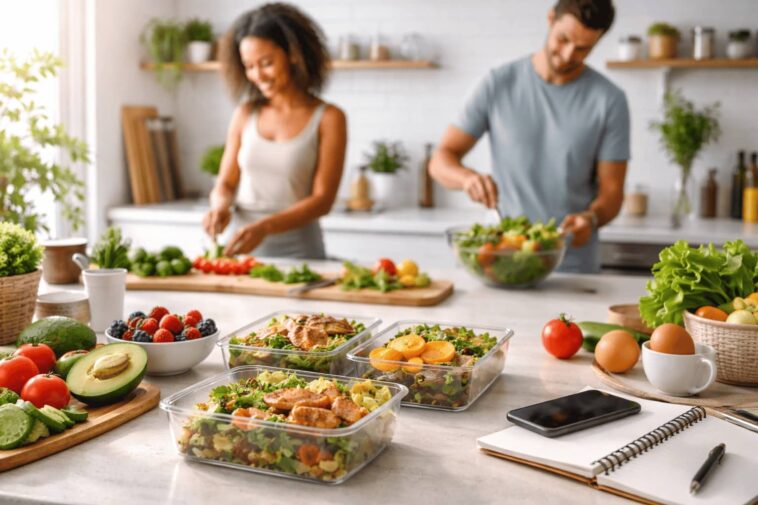
Meal planning without counting calories is about building meals you can trust—meals that keep you full, energized, and consistent without turning food into math homework. Many people move toward this approach after trying strict tracking or following an intuitive eating plan and realizing they want structure without obsession. The goal isn’t to ignore nutrition, but to work with your body instead of constantly overriding it.
This guide walks you through how to plan meals in a realistic, flexible way—no apps, no calculators, and no guilt if plans change.
Why Meal Planning Without Counting Calories Makes Sense
Counting calories can be useful short term, but for many people it becomes mentally exhausting or unsustainable. Meal planning without numbers focuses on patterns instead of precision.
The real benefits
- Less decision fatigue: You’re not recalculating every bite.
- Better consistency: Simple rules are easier to follow long term.
- Healthier relationship with food: Meals feel normal again.
- More focus on quality: What you eat matters more than exact totals.
This approach works especially well if you want weight stability, gradual fat loss, or simply to eat well without stress.
The Core Principles of Calorie-Free Meal Planning
You still need structure—just not spreadsheets. These principles replace calorie counting with practical guidelines.
1. Build balanced plates, not perfect numbers
Aim for meals that include:
- A protein source (eggs, chicken, tofu, fish, Greek yogurt)
- Fiber-rich carbs (vegetables, fruit, whole grains, beans)
- Healthy fats (olive oil, avocado, nuts, seeds)
When meals include all three, hunger and energy levels regulate more naturally.
2. Use portion awareness, not restriction
Instead of measuring, use visual cues:
- Protein ≈ the size of your palm
- Carbs ≈ a cupped hand
- Fats ≈ a thumb or small handful
- Vegetables ≈ half your plate
These are starting points, not rigid limits.
3. Eat regularly
Skipping meals often backfires. Planning 3 main meals (and 1–2 optional snacks) helps prevent overeating later.
How to Plan a Week of Meals Without Counting Calories
Meal planning doesn’t need to be complicated. A simple system is more likely to stick.
Step 1: Choose repeatable meal templates
Instead of planning 21 unique meals, pick 5–7 “go-to” options you can rotate.
Examples:
- Breakfast: yogurt + fruit + nuts
- Lunch: protein + grain + roasted vegetables
- Dinner: stir-fry, bowl, or sheet-pan meal
- Snacks: fruit with nut butter, cottage cheese, hummus with veggies
Repeating meals reduces stress and shopping time.
Step 2: Plan dinners first
Dinner usually requires the most effort. Once dinners are set, breakfasts and lunches fall into place more easily.
Ask yourself:
- Which nights need quick meals?
- Which nights allow cooking?
- Can leftovers cover lunches?
Step 3: Create a flexible grocery list
Organize your list by categories:
- Proteins
- Produce
- Carbs
- Fats & extras
This supports variety without forcing you into exact recipes.
What to Focus On Instead of Calories
If you remove calorie tracking, something has to replace it. These markers are more useful long term.
Hunger and fullness cues
Check in mid-meal:
- Am I comfortably full?
- Do I feel energized or heavy afterward?
You don’t need to stop at the first sign of fullness—just avoid eating on autopilot.
Meal satisfaction
A “healthy” meal that leaves you unsatisfied often leads to more snacking later. Include flavors, textures, and foods you genuinely enjoy.
Energy levels and digestion
Good meal planning shows up as:
- Stable energy between meals
- Fewer cravings
- Comfortable digestion
These are better indicators than numbers on an app.
Common Mistakes to Avoid
Meal planning without counting calories isn’t a free-for-all. These pitfalls can sabotage results.
Under-eating protein
Many people drop calories and protein without realizing it. Protein supports fullness, muscle, and blood sugar control.
Aim to include a protein source at every meal.
Over-relying on “healthy” snacks
Granola bars, smoothies, and nuts are nutritious—but easy to overdo if meals aren’t balanced.
Prioritize solid meals first, snacks second.
Being too rigid
If you miss a planned meal or eat out, nothing is ruined. Flexibility is part of the system.
Sample Day of Meal Planning Without Counting Calories
This is an example—not a rulebook.
- Breakfast: Scrambled eggs, whole-grain toast, fruit
- Lunch: Chicken, quinoa, mixed vegetables, olive oil
- Snack: Greek yogurt with berries
- Dinner: Salmon, roasted potatoes, green salad
- Optional treat: Chocolate or dessert, mindfully enjoyed
No tracking. No math. Just structure.
How This Approach Supports Long-Term Health
Meal planning without counting calories works best when it supports a balanced diet rather than extreme rules. Over time, this approach helps you:
- Maintain a healthy weight without constant monitoring
- Reduce food anxiety
- Eat consistently even during busy or stressful periods
- Adapt to social events, travel, and life changes
It’s not about perfection—it’s about repeatable habits.
Simple Checklist: Are You Doing It Right?
Use this quick self-check:
- Do most meals include protein, fiber, and fat?
- Am I eating regularly, not reactively?
- Do meals leave me satisfied?
- Can I maintain this without burnout?
If the answer is mostly yes, you’re on track.
FAQ: Meal Planning Without Counting Calories
Can you lose weight without counting calories?
Yes. Many people lose weight by improving meal structure, protein intake, and consistency—without tracking numbers.
Is this the same as intuitive eating?
They’re related but not identical. Meal planning adds structure, while intuitive eating emphasizes internal cues. You can combine both.
How long does it take to see results?
Most people notice better energy and fewer cravings within 1–2 weeks. Physical changes take longer and vary by individual.
What if I overeat sometimes?
That’s normal. One meal doesn’t undo progress. Focus on your next planned meal, not compensation.
Do I need to meal prep everything in advance?
No. Planning and prepping are different. Even a loose plan saves mental energy.
Conclusion
Meal planning without counting calories isn’t about ignoring nutrition—it’s about simplifying it. By focusing on balanced meals, portion awareness, and consistency, you create a system that works in real life. No apps, no guilt, and no burnout—just food that supports your body and your schedule.