
 Natalie N. Arnott
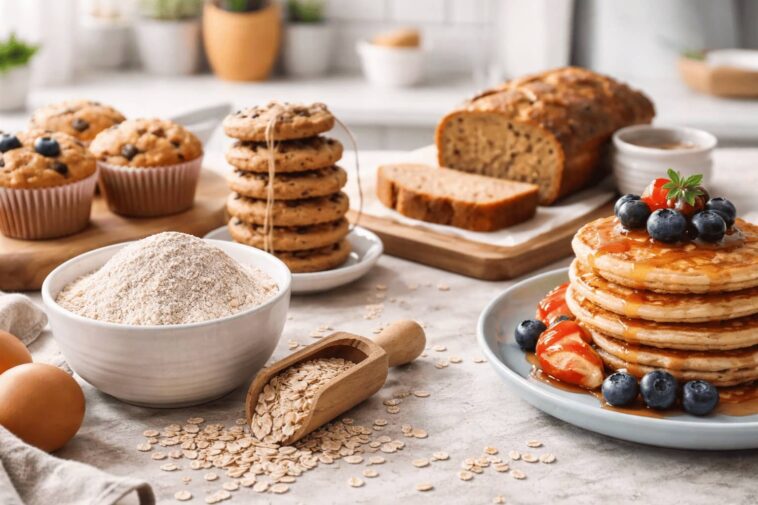
If you’re searching for practical, reliable oat flour baking ideas, you’re in the right place. Right from the start, it helps to see how oat flour works in real recipes, and these oat flour recipes are a great example of how this simple ingredient can deliver tender textures and comforting flavor without complicated techniques. Oat flour is easy to use, naturally gluten-free (when certified), and well suited to home baking—especially if you want healthier results that still taste like a treat.
Below, you’ll find clear guidance, smart substitutions, and plenty of inspiration you can actually use in a U.S. home kitchen. No fluff, no trends—just solid ideas that work.
Why Bake With Oat Flour?
Oat flour is made by finely grinding oats, which means it keeps much of the oat’s natural fiber and nutrients. Compared to refined white flour, it tends to produce baked goods that feel more filling and satisfying.
Key benefits include:
- Mild, neutral flavor that works in both sweet and savory baking
- Soft, tender crumb when used correctly
- Higher fiber content than many standard flours
- Naturally gluten-free, if made from certified gluten-free oats
Because oat flour absorbs more moisture than wheat flour, it behaves a little differently. Once you understand that, it becomes very forgiving and flexible.
How Oat Flour Behaves in Baking
Before jumping into specific oat flour baking ideas, it’s useful to understand how it reacts in common recipes.
Moisture Absorption Matters
Oat flour soaks up liquid more quickly than all-purpose flour. This can be a good thing—helping prevent dry baked goods—but it also means recipes may need:
- Slightly more liquid
- An extra egg or binding ingredient
- A short resting time for batters
Texture Differences to Expect
You won’t get the same chewiness as bread made with wheat flour. Instead, oat flour delivers:
- Soft muffins and cakes
- Delicate cookies
- Crumbly shortbreads unless properly bound
For yeast breads, oat flour usually works best when combined with another flour rather than used alone.
Simple Oat Flour Baking Ideas for Beginners
If you’re new to baking with oat flour, start with forgiving recipes that don’t rely heavily on gluten structure.
Muffins and Quick Breads
These are among the easiest oat flour successes. Banana bread, blueberry muffins, and pumpkin loaves all benefit from oat flour’s ability to retain moisture.
Tips for success:
- Let the batter rest 10–15 minutes before baking
- Don’t overbake—oat flour dries out faster at the end
- Use oil or yogurt to boost tenderness
Pancakes and Waffles
Oat flour pancakes are naturally hearty and filling. They work best with:
- Eggs for structure
- A small amount of baking powder
- Medium heat to prevent burning
Expect a slightly denser texture than diner-style pancakes, but a more satisfying bite.
Oat Flour Cookies That Actually Hold Together
Cookies are a common concern when switching to oat flour, but they can turn out beautifully with the right balance.
Best Cookie Styles for Oat Flour
Oat flour shines in:
- Soft-baked chocolate chip cookies
- Peanut butter cookies
- Oatmeal-style drop cookies
It’s less ideal for ultra-crispy cookies unless combined with another flour.
Binding Tricks That Work
To prevent crumbling:
- Use eggs, nut butter, or ground flax
- Chill the dough before baking
- Avoid over-reducing fats
When done right, oat flour cookies stay tender for days.
Savory Oat Flour Baking Ideas
Oat flour isn’t just for sweets. Its mild flavor makes it surprisingly useful in savory dishes.
Flatbreads and Wraps
Oat flour flatbreads are quick, pan-cooked, and perfect for wraps or dipping.
They usually require:
- Hot water or milk to hydrate the flour
- Olive oil for flexibility
- Minimal rolling
These work well for breakfast wraps or light lunches.
Savory Muffins and Bakes
Think:
- Cheddar and herb muffins
- Vegetable-packed breakfast bakes
- Simple cornbread-style sides
Because oat flour doesn’t overpower other flavors, herbs and spices really stand out.
Blending Oat Flour With Other Flours
One of the most practical oat flour baking ideas is blending it rather than using it alone.
When Blending Makes Sense
Consider mixing oat flour with:
- Almond flour for richness
- All-purpose flour for structure
- Gluten-free blends for balance
A common starting ratio is 50% oat flour and 50% another flour, adjusting from there.
Results You Can Expect
Blends often give you:
- Better rise
- Improved structure
- More familiar textures
This approach is especially helpful for cakes and sandwich-style bakes.
Health-Focused Oat Flour Baking
Many people turn to oat flour because they want baked goods that fit into a more balanced lifestyle.
Lower Sugar, Better Satiety
Thanks to its fiber content, oat flour:
- Slows digestion
- Helps baked goods feel more filling
- Pairs well with natural sweeteners
For those experimenting beyond desserts, these healthy recipes can spark ideas for snacks that balance flavor with nutrition.
Portion-Friendly Baking
Oat flour baked goods are often more satisfying in smaller portions, which makes them ideal for:
- Meal prep muffins
- Freezer-friendly snacks
- Controlled treats
Common Mistakes to Avoid With Oat Flour
Even experienced bakers can run into issues if they treat oat flour exactly like wheat flour.
Watch out for:
- Overbaking, which causes dryness
- Skipping rest time, leading to gummy centers
- Under-seasoning, especially in savory recipes
Small adjustments make a big difference here.
Making Your Own Oat Flour at Home
Store-bought oat flour is convenient, but homemade works just as well.
How to Do It
Simply blend rolled oats in a high-speed blender until fine and powdery. For best results:
- Use old-fashioned rolled oats, not steel-cut
- Sift out larger pieces if needed
- Store in an airtight container
Homemade oat flour is fresh, affordable, and great for everyday baking.
Evaluation Checklist: Is Oat Flour Right for This Recipe?
Before converting a recipe, ask yourself:
- Does it rely heavily on gluten for structure?
- Is moisture retention important?
- Can I add eggs or binders if needed?
If the answer to the last two is yes, oat flour is likely a good fit.
FAQ: Oat Flour Baking Ideas
Can oat flour replace all-purpose flour one-to-one?
Not always. Oat flour absorbs more liquid, so most recipes need adjustments to moisture or binding ingredients.
Does oat flour taste like oatmeal?
It has a mild oat flavor, but in baked goods it’s subtle and often barely noticeable.
Is oat flour good for gluten-free baking?
Yes, as long as you use certified gluten-free oats and account for the lack of gluten structure.
Why are my oat flour baked goods crumbly?
They likely need more binding—try adding an egg, yogurt, or letting the batter rest longer.
Can I use oat flour for cakes?
Absolutely. Cakes are one of the best uses for oat flour, especially when paired with enough moisture.
Conclusion
Oat flour baking ideas don’t need to be complicated to be successful. With a basic understanding of how oat flour behaves, you can confidently bake muffins, cookies, pancakes, and even savory dishes that feel both comforting and nourishing. Start simple, make small adjustments, and you’ll quickly find that oat flour earns a permanent place in your kitchen.