
 Natalie N. Arnott
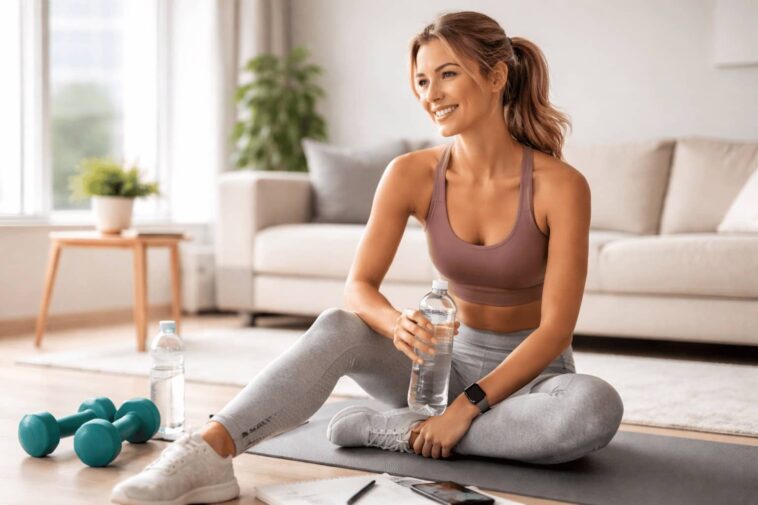
If you’ve ever set ambitious fitness goals in January only to feel frustrated by March, you’re not alone. Many women in the U.S. are juggling careers, families, social lives, and endless to-do lists. The problem isn’t a lack of discipline — it’s unrealistic expectations.
Setting realistic fitness goals for women isn’t about thinking small. It’s about thinking smart. When your goals match your lifestyle, experience level, and priorities, you build momentum instead of burnout. This guide will help you create goals you can actually stick to — and feel proud of.
Why “Realistic” Matters More Than “Ambitious”
There’s nothing wrong with wanting to get stronger, leaner, or more energized. The issue starts when goals are:
- Based on someone else’s body or timeline
- Tied only to the scale
- Dependent on extreme diets or daily two-hour workouts
- Set without considering your current schedule
Unrealistic goals lead to all-or-nothing thinking. You miss one workout, feel like you’ve failed, and quit altogether.
Realistic fitness goals for women are sustainable. They respect your starting point and allow room for progress, setbacks, and real life.
Step 1: Define What You Actually Want (Beyond Weight Loss)
Many women automatically say, “I want to lose 20 pounds.” But what does that really mean?
Underneath that number, you might want to:
- Feel confident in your clothes
- Have more energy during the day
- Improve strength or endurance
- Reduce stress
- Support long-term health
When you identify the deeper reason, your goals become more meaningful — and easier to stick to.
Shift from Outcome Goals to Behavior Goals
Instead of:
- “Lose 15 pounds in 3 months.”
Try:
- “Strength train 3 times per week.”
- “Walk 8,000 steps per day.”
- “Eat protein with every meal.”
You can control behaviors. You can’t fully control how fast your body changes.
Step 2: Assess Your Starting Point Honestly
Realistic fitness goals for women depend heavily on where you are now.
Ask yourself:
- How many days per week am I currently active?
- How many hours can I realistically commit?
- Do I have injuries or health conditions?
- What’s my stress level like?
If you’re currently exercising zero times per week, jumping to five intense sessions is not realistic. A better starting goal might be:
- 2 short strength sessions
- 2 walks per week
- 10-minute mobility sessions before bed
Progress doesn’t have to be dramatic to be effective.
Step 3: Set SMART Goals — But Keep Them Flexible
SMART goals (Specific, Measurable, Achievable, Relevant, Time-bound) are useful — but flexibility is key.
Here’s an example:
Instead of:
“I’ll work out every day.”
Try:
“I will complete 3 full-body workouts per week for the next 8 weeks.”
If you miss one week, you adjust — not abandon the plan.
Realistic Fitness Goals for Women (Examples by Category)
Here are practical, sustainable goal ideas depending on your focus.
Strength & Muscle
- Increase squat weight by 10 pounds in 8 weeks
- Perform 10 full push-ups (from toes)
- Strength train consistently 3x per week
Strength gains are measurable and motivating. Many women underestimate how empowering getting stronger feels.
Fat Loss & Body Composition
Instead of obsessing over the scale, consider:
- Reduce waist measurement by 1 inch in 12 weeks
- Improve consistency with meal planning
- Build muscle to support fat loss long-term
If fat loss is your focus, pairing workouts with mindset work is crucial. A structured weight loss guide can help you avoid restrictive cycles and stay consistent without burnout.
Endurance & Energy
- Run or jog 1 mile without stopping
- Walk 8,000–10,000 steps daily
- Complete a 5K in 3–4 months
These goals are motivating because they’re performance-based, not appearance-based.
Lifestyle & Habit Goals
These often have the biggest long-term impact:
- Sleep 7+ hours per night
- Drink 80–100 oz of water daily
- Stretch for 10 minutes after workouts
- Prepare 3 home-cooked meals per week
Simple? Yes. Powerful? Absolutely.
Common Mistakes Women Make When Setting Fitness Goals
1. Choosing a Timeline That’s Too Short
Healthy, sustainable fat loss typically averages 0.5–1 pound per week. Muscle gain takes even longer. If your timeline is too aggressive, you’ll feel like you’re failing — even when you’re not.
2. Ignoring Recovery
More workouts don’t automatically mean better results. Recovery supports muscle repair, hormone balance, and stress management.
Include:
- 1–2 rest days per week
- Mobility work
- Adequate protein intake
3. Comparing Yourself to Social Media
Fitness influencers often show highlight reels. Your life is real. Your goals should reflect that.
How to Break Big Goals Into Small Wins
If your long-term goal is to lose 20 pounds or gain significant strength, break it down:
- Focus on the first 5 pounds
- Focus on the first 4 weeks
- Focus on the next workout
Small wins create confidence. Confidence builds consistency.
Here’s a simple framework:
- Quarter Goal (3 months): Improve body composition.
- Monthly Goal: Stay consistent with 12 workouts.
- Weekly Goal: Complete 3 workouts.
- Daily Focus: Show up, even if it’s not perfect.
Momentum beats perfection every time.
What to Look for in a Fitness Plan
Not all plans are created equal. A good program for women should:
- Match your experience level
- Include progressive overload (gradual increase in difficulty)
- Allow rest and recovery
- Support your schedule
- Encourage balanced nutrition
Quick Evaluation Checklist
Before committing to any plan, ask:
- Can I realistically maintain this for 12 weeks?
- Does this require extreme dieting?
- Does it fit my work and family schedule?
- Does it make me feel motivated, not anxious?
If the answer is mostly “no,” it’s not realistic — no matter how popular it is.
How to Stay Motivated When Progress Feels Slow
Every woman hits plateaus. Here’s how to stay steady:
Track Non-Scale Victories
- Better sleep
- Improved mood
- Stronger lifts
- Clothes fitting differently
- More stamina
These changes often show up before dramatic weight shifts.
Focus on Identity, Not Just Outcomes
Instead of “I’m trying to lose weight,” think:
“I’m becoming someone who trains consistently.”
That shift changes everything.
Adjusting Goals as Life Changes
Realistic fitness goals for women evolve.
During high-stress periods:
- Maintain instead of progress
- Shorten workouts
- Focus on steps and hydration
During calmer seasons:
- Increase training intensity
- Try new performance goals
- Dial in nutrition
Your goals should flex with your life — not fight against it.
When to Reevaluate Your Goals
Ask yourself every 8–12 weeks:
- Am I enjoying this process?
- Is this sustainable?
- Have my priorities shifted?
- What’s working? What’s not?
Sometimes the smartest move isn’t pushing harder — it’s refining your strategy.
FAQ: Realistic Fitness Goals for Women
1. How long does it take to see noticeable results?
Most women begin noticing changes in strength and energy within 3–4 weeks. Visible body composition changes typically take 8–12 weeks of consistent effort.
2. Is it realistic to lose 20 pounds in 3 months?
For most women, that’s aggressive. A safer and more sustainable pace is 0.5–1 pound per week. Faster loss often leads to muscle loss and burnout.
3. Should I focus on cardio or strength training?
Strength training is essential for muscle tone, metabolism, and long-term results. Cardio supports heart health and calorie burn. A balanced combination works best.
4. What if I miss a week of workouts?
It’s normal. Resume your routine without “punishing” yourself. One off week doesn’t erase progress — quitting does.
5. Are aesthetic goals bad?
Not at all. Wanting to look good is valid. Just pair aesthetic goals with performance and health-based goals for a more sustainable approach.
Conclusion
Realistic fitness goals for women aren’t about lowering your standards — they’re about raising your strategy.
When your goals align with your lifestyle, values, and current capacity, consistency becomes easier. And consistency is what transforms bodies and confidence over time.
Start where you are. Choose habits you can maintain. Focus on strength, energy, and health — not just numbers.
Progress built slowly is progress that lasts.