
 Natalie N. Arnott
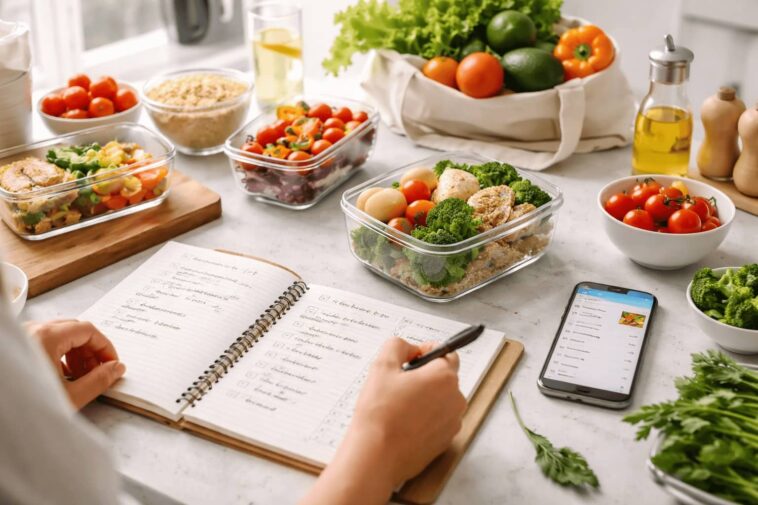
If you’ve ever opened the fridge at 6 p.m. with no idea what’s for dinner, this ultimate meal planning guide is for you. Whether you’re just getting started or refining your system, using a structured resource like this meal planning guide can help you move from chaotic weeknights to clear, confident decisions about what you’ll eat.
Meal planning isn’t about rigid rules or eating the same thing every day. It’s about making intentional choices ahead of time so your nutrition supports your goals, your schedule, and your budget. In this guide, you’ll learn how to design a flexible plan, shop efficiently, prep smartly, and stay consistent without burning out.
What Is Meal Planning (Really)?
At its core, meal planning means deciding in advance what you’ll eat for a specific period—usually a week or a month. It can be as simple as outlining dinners for the next five days or as detailed as calculating macros for every meal.
The goal isn’t perfection. It’s clarity.
A solid meal plan helps you:
- Reduce last-minute takeout
- Save money on groceries
- Minimize food waste
- Hit nutrition goals more consistently
- Lower daily decision fatigue
Instead of asking “What should I eat?” multiple times a day, you already know the answer.
Step 1: Define Your Goal Before You Plan
The most common mistake people make is copying someone else’s meal plan without asking what they actually need.
Before you build your plan, clarify:
- Are you trying to lose weight?
- Maintain your current weight?
- Build muscle?
- Improve energy levels?
- Support a specific diet (Mediterranean, high-protein, balanced, etc.)?
Your goal determines portion sizes, food choices, and structure.
Example Goals and Adjustments
- Weight loss: Prioritize protein, fiber, and portion control.
- Muscle gain: Increase total calories and protein distribution across meals.
- General wellness: Focus on variety, balanced macronutrients, and whole foods.
- Busy lifestyle: Choose quick recipes with overlapping ingredients.
Your plan should match your life—not someone else’s highlight reel.
Step 2: Choose Your Planning Framework
There’s no single “right” way to meal plan. The key is choosing a structure you’ll actually follow.
Weekly Meal Planning
Best for:
- Beginners
- Families with changing schedules
- People who enjoy flexibility
You map out 5–7 days of meals at a time. This allows room to adjust for events, leftovers, or dining out.
Monthly Meal Planning
Best for:
- Busy professionals
- Budget-focused households
- People who like long-term structure
You rotate meals across a 4-week calendar. This reduces repetitive thinking and makes grocery shopping more efficient.
Template-Based Planning
Create 5–7 go-to breakfasts, lunches, and dinners and rotate them.
For example:
- Breakfasts: Greek yogurt bowl, oatmeal, eggs & toast, protein smoothie
- Lunches: Chicken salad, quinoa bowl, turkey wrap
- Dinners: Salmon + veggies, taco night, pasta with lean protein
Templates simplify your decisions without feeling restrictive.
Step 3: Build Balanced Plates
The ultimate meal planning guide isn’t just about logistics—it’s about nutrition quality.
A balanced plate typically includes:
- Protein (chicken, fish, tofu, beans, Greek yogurt)
- Complex carbohydrates (rice, quinoa, potatoes, whole grains)
- Healthy fats (olive oil, avocado, nuts)
- Fiber-rich vegetables or fruit
Simple Plate Formula
Use this as a visual guide:
- ½ plate: Vegetables
- ¼ plate: Lean protein
- ¼ plate: Complex carbs
- Add healthy fats in moderation
This approach works well for most adults in the USA aiming for general health or weight control.
Step 4: Plan Around Your Schedule (Not Motivation)
A common pitfall is planning ambitious meals for your busiest days.
Instead:
- Schedule quick meals for long workdays.
- Plan batch-cooked dishes for midweek leftovers.
- Assign more complex recipes to weekends.
Ask yourself:
- Which nights are chaotic?
- Which days allow time for cooking?
- When do I typically feel most tired?
Meal planning works best when it reduces stress—not adds to it.
Step 5: Create a Smart Grocery List
Once your meals are outlined, convert them into a categorized grocery list:
- Produce
- Protein
- Grains & starches
- Dairy & alternatives
- Pantry items
Check what you already have before shopping. Overbuying leads to waste and overspending.
Pro Tip: Ingredient Overlap
Choose meals that share core ingredients.
Example:
- Buy spinach for omelets, salads, and pasta.
- Use grilled chicken for bowls, wraps, and salads.
- Cook one large batch of rice for multiple dinners.
This strategy cuts prep time and saves money.
Step 6: Prep Without Spending All Sunday in the Kitchen
Meal prep doesn’t have to mean 20 containers lined up on the counter.
You can prep strategically:
- Wash and chop vegetables.
- Cook 1–2 protein sources in bulk.
- Pre-portion snacks.
- Marinate meat ahead of time.
Even 60–90 minutes of prep can save hours during the week.
Three Levels of Prep
- Light Prep: Wash produce, boil eggs, cook grains.
- Partial Prep: Pre-cook proteins, assemble ingredients.
- Full Prep: Cook and portion complete meals.
Choose your level based on available time and personality type.
Step 7: Build Flexibility Into Your Plan
Rigid meal plans often fail because life is unpredictable.
Instead:
- Keep one “flex meal” open.
- Have 2–3 backup freezer meals.
- Swap similar calorie meals if needed.
- Allow one meal out without guilt.
Consistency beats perfection.
If you’re aiming to make meal planning part of a long-term healthy routine flexibility is what keeps you from quitting after one off day.
Common Meal Planning Mistakes
Even the best intentions can go sideways. Here’s what to watch for:
1. Planning Too Many New Recipes
Trying five brand-new meals in one week increases stress. Mix 1–2 new recipes with reliable favorites.
2. Ignoring Portion Sizes
A healthy recipe can still derail weight goals if portions are excessive.
3. Forgetting Snacks
Hunger between meals often leads to impulsive eating. Plan simple snacks like:
- Greek yogurt
- Cottage cheese
- Fruit + nuts
- Protein bars
4. Not Reviewing What Worked
At the end of the week, ask:
- What meals did I enjoy?
- What went uneaten?
- What took too long?
Adjust accordingly.
Simple 7-Day Example Plan
Here’s a basic framework you can adapt:
Breakfasts (rotate):
- Oatmeal + berries + peanut butter
- Eggs + whole-grain toast
- Smoothie with protein powder
Lunches:
- Chicken quinoa bowl
- Turkey & veggie wrap
- Lentil soup + side salad
Dinners:
- Grilled salmon + roasted vegetables
- Taco bowls
- Stir-fry with rice
- Baked chicken + sweet potato
- Pasta with lean ground turkey
Snacks:
- Apple + almond butter
- Greek yogurt
- Mixed nuts
This structure keeps meals balanced and realistic.
How to Stick to Your Plan Long-Term
The ultimate meal planning guide isn’t about a perfect week—it’s about building a repeatable system.
Make It Visible
- Keep your plan on the fridge.
- Use a digital calendar.
- Set grocery reminders.
Keep It Interesting
Rotate cuisines:
- Mexican-inspired bowls
- Mediterranean plates
- Classic American comfort meals
- Asian-style stir-fries
Revisit Your Goals Monthly
As your goals change, your meal plan should evolve too.
FAQ: Ultimate Meal Planning Guide
1. How long does it take to meal plan each week?
Most people spend 30–60 minutes planning and 60–120 minutes prepping. Once you build a system, it gets faster.
2. Is meal planning good for weight loss?
Yes. Planning reduces impulsive eating and helps control portions and calorie intake. It creates structure around your nutrition goals.
3. What if I get bored with my meals?
Rotate recipes every few weeks, try one new dish at a time, or experiment with different seasonings and sauces.
4. Can meal planning save money?
Absolutely. Shopping with a list, reducing food waste, and avoiding last-minute takeout can significantly lower monthly grocery and dining expenses.
5. Do I need to count calories to meal plan?
Not necessarily. Many people succeed using portion control and balanced plate guidelines instead of tracking every calorie.
Conclusion
This ultimate meal planning guide isn’t about rigid dieting—it’s about creating structure that supports your goals, schedule, and preferences. When you know what you’re eating ahead of time, you reduce stress, improve consistency, and make healthier choices almost automatically.
Start simple. Plan one week. Refine it. Repeat.
Over time, meal planning becomes less of a task and more of a habit—one that quietly supports your health every single day.